- (022)67437682
- [email protected]
-
B-19, C P Tank, Mumbai - 400004
B-19, C P Tank, Mumbai - 400004


Technolloy Inc manufactures and supplies Stainless Steel 316/316L/316Ti Flanges for demanding piping, pressure equipment, process engineering, and industrial connection applications. These austenitic stainless steel flanges combine mechanical strength, excellent resistance to corrosion, and reliable service performance in environments where standard stainless steel grades may not provide sufficient protection. Grades 316, 316L, and 316Ti contain molybdenum, which improves resistance to chloride-induced corrosion, pitting, and crevice attack. The 316L grade also offers low carbon content for improved weldability, while 316Ti is stabilized with titanium for enhanced resistance to sensitization during elevated-temperature service.
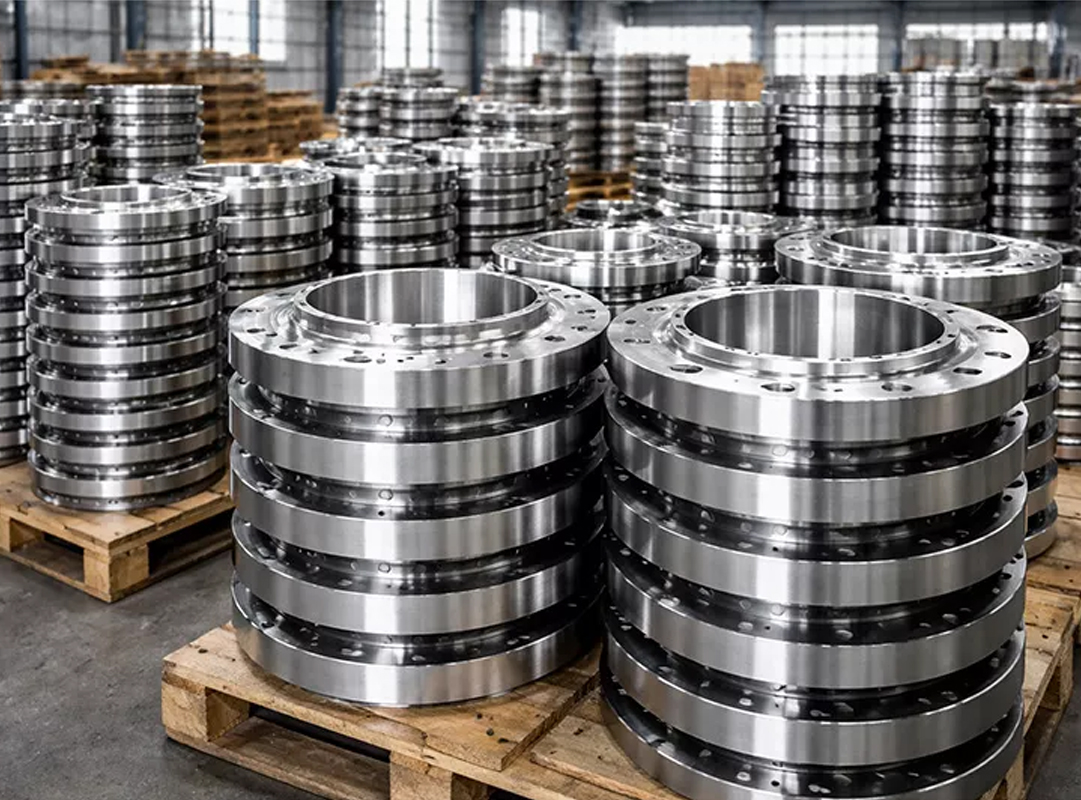
Stainless Steel 316/316L/316Ti Flanges are precision-manufactured components used to create detachable, pressure-resistant connections between pipes, valves, pumps, vessels, fittings, and other piping equipment. They are commonly manufactured through forging and machining processes to achieve accurate dimensions, controlled tolerances, and dependable sealing surfaces. Depending on the piping design, these flanges can be supplied in configurations such as weld neck, slip-on, blind, socket weld, threaded, lap joint, and other customized forms.
Stainless Steel 316 is widely selected for general corrosive service, while 316L is particularly suitable for welded piping systems because its lower carbon content reduces the risk of carbide precipitation in welded areas. Stainless Steel 316Ti incorporates titanium stabilization and is useful for applications involving elevated temperatures and prolonged exposure to conditions that could cause intergranular corrosion. Selection among these grades depends on operating temperature, chemical exposure, pressure requirements, fabrication method, and applicable engineering standards.
These stainless steel flanges provide dependable mechanical strength for demanding piping systems. Their forged construction can deliver excellent structural integrity, making them suitable for pressure, temperature, and vibration conditions encountered in industrial plants. Properly specified dimensions, pressure classes, and material grades help ensure reliable performance across critical connections.
The molybdenum content of 316-series stainless steel provides improved resistance to pitting and crevice corrosion compared with many conventional austenitic stainless steels. This characteristic makes these flanges valuable in marine, chemical processing, pharmaceutical, food processing, and other environments where moisture, chlorides, chemicals, or aggressive process media may be present.
Stainless Steel 316, 316L, and 316Ti flanges are designed for long service life with appropriate material selection and operating conditions. Their resistance to oxidation, corrosion, and mechanical degradation can reduce premature replacement requirements. 316Ti can be especially useful where elevated-temperature exposure makes stabilized stainless steel desirable.
These grades can be forged, machined, drilled, and finished to meet specific flange dimensions and connection requirements. Stainless Steel 316L is particularly favorable for welded assemblies because of its low carbon chemistry. Precision machining of bolt holes, bore dimensions, and raised or flat faces supports accurate installation and dependable gasket sealing.
Although 316-series stainless steel can have a higher initial material cost than basic carbon steel or lower-alloy stainless steel, its corrosion resistance and service durability can provide better lifecycle economics in aggressive environments. Reduced maintenance, fewer corrosion-related failures, and longer replacement intervals can contribute to lower total ownership costs.
With appropriate engineering selection, surface finishing, installation, and maintenance, these flanges can provide consistent performance over extended operating periods. Their combination of corrosion resistance, strength, dimensional stability, and fabrication versatility makes them suitable for demanding industrial piping infrastructure.
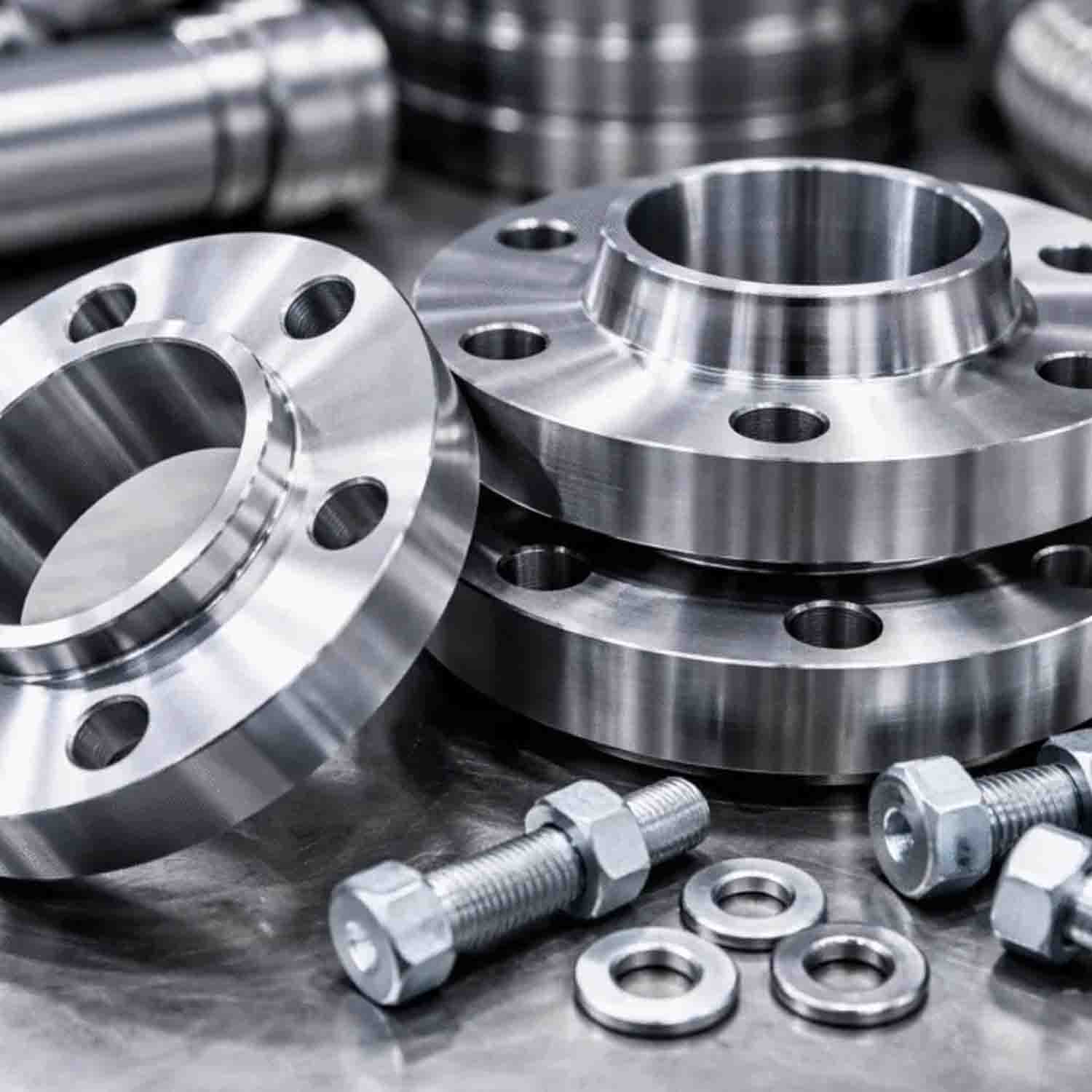
Stainless Steel 316/316L/316Ti Flanges Manufacturers provide flange solutions for chemical processing systems where piping connections may encounter corrosive chemicals, solvents, acids, salts, and process fluids. The molybdenum-bearing composition offers enhanced resistance to localized corrosion and supports dependable connections in demanding process environments.
Stainless Steel 316/316L/316Ti Flanges Suppliers support oil and gas piping applications requiring durable connections for process lines, utility systems, offshore equipment, and chemical handling systems. Grade selection can be tailored to pressure, temperature, chloride exposure, and fabrication requirements for specific operating conditions.
Stainless Steel 316/316L/316Ti Flanges Stockists supply flange components for marine piping, offshore platforms, seawater-related equipment, shipbuilding systems, and coastal industrial installations. The corrosion resistance of 316-series stainless steel makes it a practical choice where exposure to moisture and chloride-containing environments is a major design consideration.
Stainless Steel 316/316L/316Ti Flanges Exporters provide components for pharmaceutical, biotechnology, and hygienic process systems where cleanability, corrosion resistance, and material consistency are important. 316L is frequently considered for welded process assemblies because of its low carbon content and suitability for sanitary fabrication.
These flanges are used in food and beverage processing lines, storage systems, fluid transfer equipment, and hygienic piping assemblies. Stainless steel construction provides corrosion resistance and a durable surface that can be incorporated into systems requiring regular cleaning and controlled process conditions.
Stainless Steel 316/316L/316Ti flanges are suitable for selected power generation, heat-transfer, boiler auxiliary, exhaust, and process utility applications. Where elevated temperatures are a key operating factor, 316Ti may be considered because its titanium stabilization supports resistance to sensitization under appropriate service conditions.
Water treatment plants, desalination facilities, filtration systems, and industrial water networks can use these flanges where piping components require resistance to moisture and chloride-containing media. Proper grade and pressure-class selection helps maintain reliable service in corrosive water-processing environments.
These flanges are also used in petrochemical plants, refineries, process skids, storage facilities, and industrial fluid-handling equipment. Their combination of corrosion resistance and mechanical performance makes them appropriate for engineered piping connections where material reliability is essential.
Technolloy Inc focuses on supplying stainless steel flange products for international industrial requirements with attention to material quality, dimensional accuracy, traceability, and application suitability. Flanges can be manufactured in different sizes, pressure classes, facing types, and configurations according to engineering drawings or customer specifications. Material test certificates and inspection documentation can be provided where required to support quality assurance and project traceability.
Technolloy Inc can manufacture these flanges according to applicable international specifications and customer drawings. Common material and dimensional requirements include ASTM A182 and ASME SA182 for forged stainless steel flange materials, along with ASME B16.5 and ASME B16.47 for relevant flange dimensions and pressure classes. Depending on the project, EN, DIN, and other recognized specifications may also be accommodated. Dimensions, bore, facing, pressure rating, wall configuration, heat treatment, marking, and inspection requirements can be produced according to the purchase specification.
| Specification | ASTM A182 / ASME SA182 |
|---|---|
| Dimension Standard | ANSI/ASME B16.5, B 16.47 Series A & B, B16.48, BS4504, BS 10, EN-1092, DIN, etc. |
| Standard | ANSI Flanges, ASME Flanges, BS Flanges, DIN Flanges, EN Flanges, etc. |
| Size | 1/2" (15 NB) to 48" (1200NB) |
| Class / Pressure | 150#, 300#, 600#, 900#, 1500#, 2500#, PN6, PN10, PN16, PN25, PN40, PN64 etc. |
| Flange Face Type | Flate Face (FF), Raised Face (RF), Ring Type Joint (RTJ) |
| DIN Flanges | DIN 2527, 2566, 2573, 2576, 2641,2642, 2655, 2656, 2627, 2628, 2629, 2631, 2632, 2633, 2634, 2635, 2636, 2637,2638, 2673. |
| JIS Flanges | JIS B2220 5K, JIS B2220 10K, JIS B2220 16K, JIS B2220 20K |
| BS Flanges | BS4504 PN 6, BS 4504 PN 10, BS4504 PN 16, BS4504 PN 25, BS4504 PN 40, BS 4504 PN 64, BS 4504 PN 100, BS 4504 PN 160, BS 4504 PN 250, BS 10, BS Table D, BS Table E, BS Table F, BS Table H. |
| Grade | C | Mn | Si | P | S | Cr | Mo | Ni | N |
|---|---|---|---|---|---|---|---|---|---|
| 316 | 0.08 max | 2.0 max | 0.75 max | 0.045 max | 0.03 max | 16.0 - 18.0 | 2.0 - 3.0 | 10.0 - 14.0 | 0.10 max |
| 316L | 0.03 max | 2.0 max | 0.75 max | 0.045 max | 0.03 max | 16.0 - 18.0 | 2.0 - 3.0 | 10.0 - 14.0 | 0.10 max |
| 316TI | 0.08 max | 2.0 max | 0.75 max | 0.045 max | 0.03 max | 16.0 - 18.0 | 2.0 - 3.0 | 10.0 - 14.0 | 0.1 min |
| Grade | Density | Melting Point | Tensile Strength | Yield Strength (0.2%Offset) | Elongation |
|---|---|---|---|---|---|
| 316 | 8.0 g/cm3 | 1400 °C (2550 °F) | Psi – 75000 , MPa – 515 | Psi – 30000 , MPa – 205 | 35 % |
| 316L/ 316TI | 8.0 g/cm3 | 1399 °C (2550 °F) | Psi – 75000 , MPa – 515 | Psi – 30000 , MPa – 205 | 35 % |

316 provides strong general corrosion resistance, 316L has lower carbon content and is well suited to welded construction, while 316Ti is titanium-stabilized for applications where resistance to sensitization during elevated-temperature service is important.
Common requirements include ASTM A182 or ASME SA182 for forged material and ASME B16.5 or ASME B16.47 for applicable flange dimensions and pressure classes. Other international standards can be supplied according to project requirements.
Yes. Stainless Steel 316L is commonly selected for welded piping because its low carbon content helps reduce the risk of sensitization and intergranular corrosion in welded areas when proper fabrication procedures are followed.
Yes. Flanges can be produced in required sizes, pressure classes, facing configurations, bore dimensions, and material grades according to approved drawings, technical specifications, applicable standards, and project requirements.
These flanges are used across chemical processing, oil and gas, petrochemical, marine, pharmaceutical, food processing, water treatment, desalination, power generation, and general industrial piping applications.
 India
India United States
 Saudi Arabia
 Kuwait
 Singapore
 Malaysia
 UAE
UAE Germany
 Italy
Italy China
China UK
UK Canada
 Iran
Iran Thailand
 South Korea
 Turkey
 Morocco
 Costa Rica
 Kazakhstan
 Philippines
 Egypt
Egypt Japan
Japan Russia
 Vietnam
 Australia
 Qatar
Qatar South Africa
 Portugal
 Oman
Oman Jordan
 Spain
Spain Hong Kong
 Netherlands
 Indonesia
 Mexico
 Brazil
 France
 Taiwan
 Nigeria
 Bangladesh
 Iraq
Iraq Ukraine
 Poland
 Romania
 Cyprus
 Angola
 Colombia
 Norway
 Chile
Chile Tobago
 Greece
 Czechia
 Belgium
 Sri Lanka
 Myanmar
 Venezuela
Stainless Steel 316/316L/316Ti Flanges Manufacturers, Stainless Steel 316/316L/316Ti Flanges Suppliers, Stainless Steel 316/316L/316Ti Flanges Stockists, Stainless Steel 316/316L/316Ti Flanges Exporters